
NASA is preparing to launch a bold new chapter in space exploration: the construction of a nuclear reactor on the Moon. Led by Transportation Secretary and interim NASA Administrator Sean Duffy, this project is being fast-tracked with an ambitious goal to have a 100-kilowatt reactor operating on the lunar surface by the end of this decade.
Who Is Sean Duffy and What Is He Planning?
Sean Duffy, a former Fox News host and current Secretary of Transportation, was appointed interim head of NASA by President Donald Trump in July 2025. His leadership began with a surprise directive to shift NASA’s focus toward manned space missions and long-term lunar infrastructure. At a Department of Transportation press conference, Duffy declared, “We’re in a race with China to the moon. And to have a base on the moon, we need energy.”
Duffy emphasized the urgency: “We are now going to move beyond studying, and we are going to be given direction to go. Let’s start to deploy our technology to make this a reality.”
How Will the Reactor Be Built?
NASA has been researching nuclear power systems for years. In 2022, the agency awarded three companies $5 million contracts each to begin designing a 40-kilowatt reactor. The new plan calls for doubling that power output to 100 kilowatts, enough to support a small lunar base.
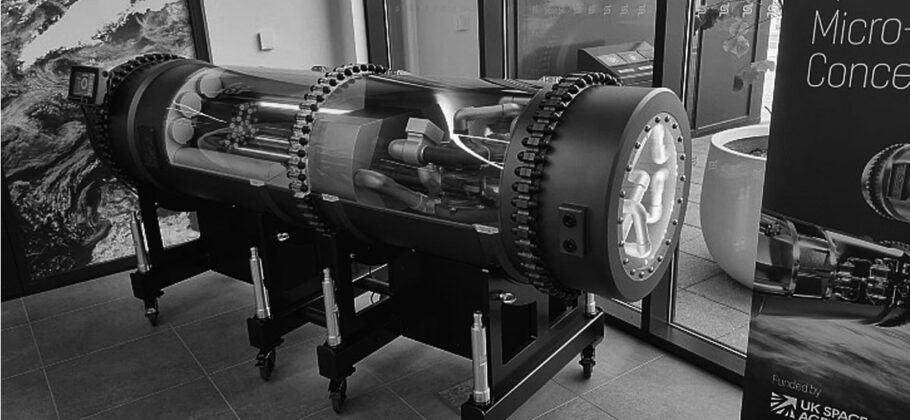
A 100-kilowatt nuclear reactor designed for space, such as NASA’s planned lunar surface reactor, would be small and compact compared to terrestrial nuclear plants.
Roughly the size of a small SUV or shipping container, depending on the specific design and shielding requirements.
Typical conceptual designs from NASA’s Fission Surface Power Project aim for a reactor system that fits within a 10-foot (3-meter) diameter cylinder, stands about 12 to 15 feet (3.5 to 4.5 meters) tall, including radiator systems, weighs under 10,000 pounds (about 4,500 kg) to stay within launch vehicle limits
NASA will solicit formal proposals from private industry in the coming months, with two companies expected to win contracts within six months of the request. These firms will be responsible for designing, building, and helping to launch the reactor—targeting a deployment date that aligns with China’s planned lunar landing around 2030.
A senior NASA official explained the logic: “The first country to have a reactor could declare a keep-out zone which would significantly inhibit the United States.”
Why Nuclear Power on the Moon?
Nuclear power solves a major problem: the Moon’s extreme day-night cycle. A lunar day lasts four Earth weeks—two weeks of sunlight followed by two weeks of total darkness. Solar panels can’t deliver consistent power, but nuclear fission can. As Dr. Sungwoo Lim of the University of Surrey explained, “Nuclear energy is not just desirable, it is inevitable.”
This energy is critical for long-term lunar habitation and any future missions to Mars. “If we’re going to sustain life on the Moon, to then go to Mars, this technology is critically important,” Duffy said.
The Geopolitical Context
The move comes amid rising international competition. China and Russia have announced plans for their own automated nuclear power station on the Moon by 2035. NASA’s directive is widely seen as a response to those plans, which Duffy warned could result in “keep-out zones” that block U.S. access.
Dr. Simeon Barber of the Open University noted that such zones raise legal and scientific concerns. “To some people, this is tantamount to, ‘we own this bit of the Moon, we’re going to operate here and you can’t come in.’”
The Artemis Accords, signed in 2020 by several nations including the U.S., were meant to prevent territorial claims on the Moon. But the creation of safety zones around lunar assets, like a nuclear reactor, could be used to assert de facto control.
Can the U.S. Deliver on the Timeline?
Some scientists are skeptical. NASA is facing deep budget cuts—up to 50% in some science programs—and roughly 4,000 employees are expected to depart the agency this year. These challenges raise concerns about whether the Moon reactor can be delivered on schedule.
Dr. Lionel Wilson of Lancaster University remains cautiously optimistic. “It’s technically possible given the commitment of enough money,” he said, but added that NASA’s Artemis missions, which are supposed to deliver people and equipment to the Moon, have experienced repeated delays.
“If you’ve got nuclear power for a base, but you’ve got no way of getting people and equipment there, then it’s not much use,” said Dr. Barber. “The plans don’t appear very joined up at the moment.”
A New Phase in American Space Exploration
Despite the hurdles, Duffy believes this initiative marks the beginning of a new era for NASA. “There’s a lot of things that NASA does, and a lot of people love a lot of the things that NASA does, but this is about space exploration,” he said. “We have to marshal all of our resources, all of our focus on going to the Moon, which is what we’re going to do.”
If successful, the reactor will not only provide essential power for a permanent lunar base, but it will also solidify American leadership in the renewed space race. The Moon may soon host the first nuclear power plant beyond Earth—a symbol of both technological ambition and global rivalry.