The Department of Energy is preparing one of the most aggressive nuclear buildout efforts in modern American history. Energy Secretary Chris Wright announced that the agency will provide low interest loans for up to 10 new nuclear reactors, marking a major shift toward rapid nuclear deployment after decades of stalled progress. Wright made the announcement during a visit to the Idaho National Laboratory, long considered the birthplace of American nuclear power.
How the Financing Strategy Works
Wright said the loans will come through the DOE’s newly rebranded Office of Energy Dominance Financing. The plan is to pair private equity with federal credit support so companies have enough backing to move quickly. Wright explained that Washington smothered nuclear development for more than forty years, and he sees this loan program as the nudge needed to restore the industry.
The financing will target creditworthy developers, including hyperscale data center companies that are already investing billions in nuclear energy to meet soaring electricity needs. Wright said the loan office could match private money by as much as four to one, allowing early projects to break ground faster than any nuclear effort in decades.
How Japan’s Pledge Fits In
The United States now plans to directly own as many as 10 large reactors using Japan’s 550 billion dollar funding pledge announced in October. Carl Coe, the Energy Department’s chief of staff, said the Japanese commitment includes up to 80 billion dollars for new Westinghouse reactors in the U.S. This arrangement gives the administration another pool of capital to finance the same group of reactors Wright is preparing to support.
Japan’s pledge ties into a deal the Trump administration struck with the owners of Westinghouse. That agreement would invest 80 billion dollars to build nuclear plants across the country and could eventually spin Westinghouse into a new public company with the U.S. government as a shareholder.
Why the Administration Is Pushing Nuclear Now
Wright repeatedly emphasized that the United States is heading into an era of explosive energy demand. Artificial intelligence, large data centers, reshoring of manufacturing, and population growth all require far more electricity than the grid can currently supply. He said the country does not need a little more energy, it needs a lot more energy, and that both natural gas and nuclear will be critical to meeting that demand.
Many experts agree. Nuclear energy produces steady baseload power regardless of weather or time of day, making it essential for a modern electric grid. Wright said that if America wants to lead in AI and industrial growth, it must get serious about nuclear again.
Trump’s Broader Nuclear Strategy
The loans support President Trump’s larger nuclear agenda, which includes one of the most ambitious energy plans ever issued by a U.S. administration. Through a series of executive orders, Trump directed the government to overhaul nuclear licensing, build new reactors, restart closed plants, strengthen uranium supply chains, and lift the entire nuclear workforce.
His strategy includes several major goals. These include speeding reactor licensing to an 18 month timeline, adding 300 gigawatts of new nuclear capacity by 2050, launching pilot reactors outside national labs by 2026, deploying reactors to power AI data centers and military bases, restarting old plants like Three Mile Island, expanding fuel recycling, and sharply increasing uranium mining and enrichment across the United States. Trump also ordered a push for nuclear exports, seeking at least 20 new agreements for peaceful nuclear cooperation with partner nations.
How the First Reactors Will Be Built
Wright said Idaho National Laboratory will be central to this effort. The lab is already hosting new reactor designs and recently saw Silicon Valley startup Oklo break ground on an advanced microreactor with direct support from Trump officials. INL’s leadership plans to allow private developers to build more reactors on site as part of the national push.
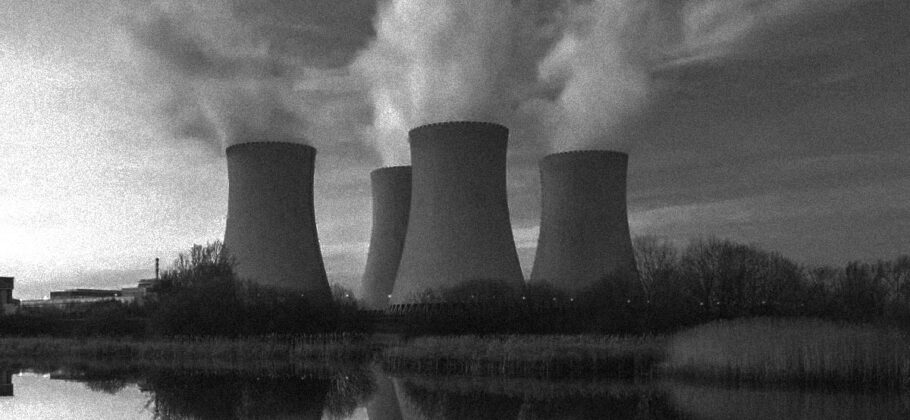
The administration expects a mix of reactor types. Traditional large reactors, like the Westinghouse AP1000, remain part of the plan. But small modular reactors that can be factory built and delivered by truck will also play a major role. These smaller units generate up to 300 megawatts and can power entire communities or clusters of data centers.
How Long the Buildout Might Take
Trump’s executive orders set an aggressive target: 10 new large reactors with complete designs under construction by 2030. Wright said he hopes to see dozens of plants under construction by the time the administration leaves office in just over three years. That pace would be far faster than anything the U.S. nuclear sector has seen since the middle of the twentieth century.
The challenge is that only two reactors have been successfully completed in the United States this century, both at Plant Vogtle in Georgia, and they faced long delays and major cost overruns. Wright said the Nuclear Regulatory Commission must be reformed to fix that problem. He argued the commission became so bureaucratic and slow that it destroyed the economics of new nuclear projects. Faster licensing and clearer rules are key to hitting Trump’s timeline.
Wright said the loan program is essential because private investors alone cannot shoulder the long timelines of nuclear development. He said the government needs to stand behind creditworthy companies to get the first wave built. Once investors know the projects can succeed, he believes the private market will take over and build many more.
Trump has made nuclear a centerpiece of his energy dominance agenda. In May he called for quadrupling U.S. nuclear capacity and said America must unleash its full civil nuclear potential. He framed the nuclear strategy as central to national security, economic power, and the race for global technological leadership.
The Shape of America’s Nuclear Future
Taken together, the DOE loans, Japan’s financing pledge, the Westinghouse partnership, and Trump’s executive orders create the most comprehensive nuclear strategy the United States has attempted in more than half a century. The administration believes the combination of private capital, federal backing, streamlined regulation, and new reactor technology can finally deliver the nuclear renaissance that has been promised for decades.
Wright told workers at Idaho National Laboratory that nuclear power has been talked about for twenty years, but now it is actually happening. If the administration’s plan succeeds, the next decade could see the largest expansion of American nuclear power in generations.
FAM Editor: I’m not optimistic about this plan keeping on track. The problem has never been the availability of funds, the problem is “not-in-my-backyard” syndrome. Despite the exemplary safety record, the perception is that nuclear reactors are scary and don’t belong near people. Spencer Abraham, the Secretary of Energy under George Bush, had a similar plan. It went no where.