Real Estate Experts Warn Plan Could Drive Rents Higher and Accelerate Flight From New York
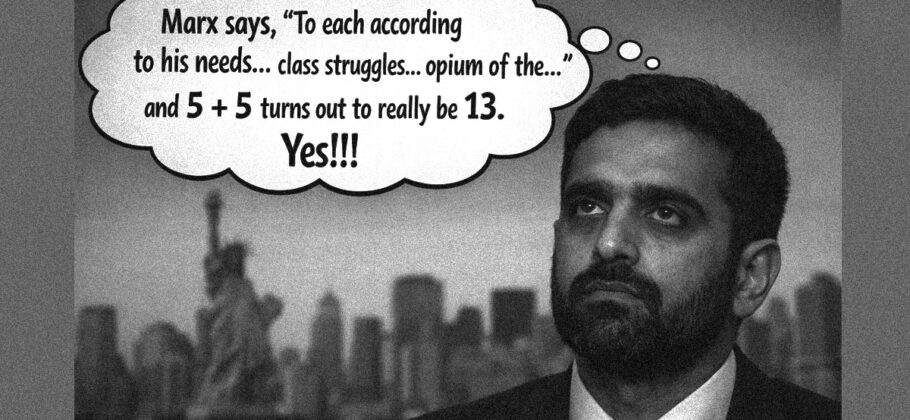
New York City Mayor Zohran Mamdani’s fiscal proposals are drawing intense criticism from investors, economists, and housing experts, with some warning the policies could push residents and businesses out of the city while driving rents higher for those who remain.
One of the most blunt reactions came from investor Kevin O’Leary, who mocked Mamdani’s plan as “bat cuckoo crazy” during a television appearance, predicting it could accelerate the migration of taxpayers to lower tax states like Florida.
“What he is proposing is beyond insane,” O’Leary said, suggesting he might eventually give the mayor a “Real Estate Agent of the Year” award because of how many New Yorkers could relocate.
What Mamdani Is Proposing
Mamdani has proposed a 9.5 percent property tax increase as part of a $127 billion preliminary city budget intended to close a projected $5.4 billion deficit. He has framed the tax increase as a last resort if New York state refuses to raise taxes on wealthy individuals and corporations.
“Faced with no other choice, the city would have to exercise the only revenue lever fully within our own control. We would have to raise property taxes,” Mamdani said.
He acknowledged that such a move would effectively fall on working and middle class residents, noting it would function as a tax on households with a median income of about $122,000.
The spending plan also includes large expenditures, including roughly $40 billion for the Department of Education and more than $1 billion to support migrants living in the city.
Why Critics Say the Math Does Not Add Up
Fiscal watchdog groups argue that New York’s financial challenges stem from rising spending rather than insufficient revenue.
The Citizens Budget Commission wrote that “New York City’s fiscal challenges are largely the result of excessive spending growth rather than insufficient revenues,” urging the mayor to restrain spending instead of raising taxes.
The New York City comptroller’s office also warned against relying on property tax increases and reserve drawdowns, stating, “To rely on a property tax increase and a significant draw down of reserves to close our gap would have dire consequences.”
The comptroller further cautioned that the property tax system is already “profoundly unfair and inconsistent,” and that an across the board increase would be regressive and could leave the city vulnerable to economic turbulence.
Warnings About Higher Rents
Housing experts say property tax increases often end up being passed along to tenants.
Economic research suggests that for every dollar increase in property taxes, landlords pass through between 50 cents and 89 cents to renters through higher housing costs.
Real estate professionals warn this could undermine Mamdani’s affordability goals.
“In many cases, property tax increases are eventually absorbed by tenants,” said Douglas Elliman agent Michelle Griffith, adding that rent increases can occur “fairly quickly, sometimes within a year.”
With the average rent in New York City already around $3,454 per month, critics warn additional tax pressure could further strain working families.
Concerns About Flight From the City
Real estate agents say the proposal is already affecting buyer behavior.
“Even the discussion of a 9.5 percent hike is enough to influence buyer behavior and cause irritations in the market,” said Douglas Elliman agent Ben Jacobs.
He said some buyers are considering alternatives in Nassau County, Westchester, Long Island, Florida, and Texas because they disagree with the city’s direction.
Michelle Griffith described what some are calling the “Mamdani Effect,” saying the proposal is slowing deals and prompting clients to evaluate properties outside New York City.
Critics also warn that raising taxes on wealthy residents and corporations could shrink the city’s tax base over time.
“Higher corporate and wealth taxes can trigger a chain reaction,” Jacobs said. “Reduced investment and relocation of high earners shrink the city’s tax base.”
City Council leaders have also expressed concern, warning that the proposed increases would “worsen the affordability crisis.”
Critics argue that raising taxes in a city already struggling with affordability and population loss risks accelerating the very problems Mamdani says he wants to solve.
If residents and businesses leave while rents rise for those who remain, opponents warn middle class families could ultimately bear the burden of the policy.
FAM Editor: Mandami is truly nuts, and it seems no one in the city has the economic expertise to fix the city.