
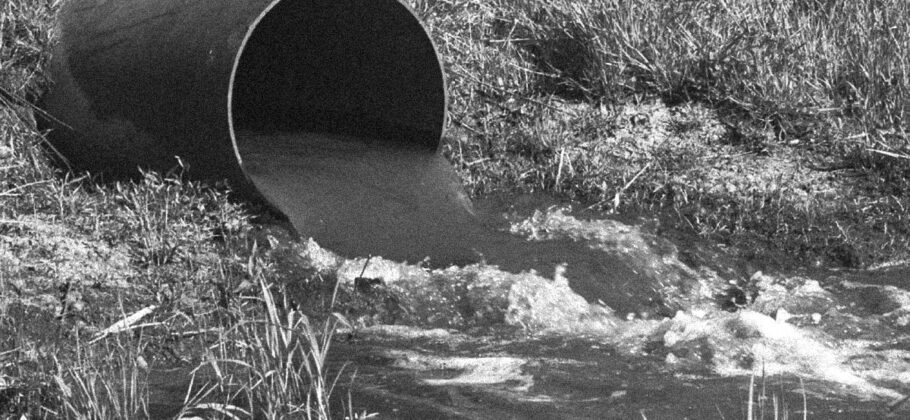
Beneath the streets of American cities and towns lies a vast, aging network that few people ever think about until something goes wrong. That network is the nation’s wastewater system, and according to federal agencies and infrastructure experts, it is rapidly deteriorating. The scale of the problem is staggering. By 2024, the Environmental Protection Agency estimated that the United States would need roughly $630 billion to repair and replace failing wastewater infrastructure.
A System Under Strain
The United States has approximately 800,000 miles of sewer pipes, far exceeding the size of the national highway system. Much of this infrastructure was built decades ago, with an average pipe age of about 45 years. In some cities, systems date back more than a century. Parts of Philadelphia’s sewer system trace back to the early 1800s, while sections in St. Louis were built during the Civil War era.
This aging system is now failing at an alarming rate. Tens of thousands of breakdowns occur every year, exposing millions of Americans to contamination risks. The EPA estimates that between 23,000 and 75,000 sanitary sewer overflows occur annually, not including sewage backups into homes and buildings. These failures are often caused by blockages, pipe collapses, outdated designs, and treatment systems that can no longer handle modern demand.
The American Society of Civil Engineers has given the nation’s wastewater infrastructure a D-plus rating, pointing to chronic underinvestment as a key reason systems are falling behind.
Real-World Consequences
The consequences of this deterioration are not theoretical. In early 2026, more than 250 million gallons of raw sewage spilled into the Potomac River near Washington, D.C., in what was described as one of the worst incidents of its kind in U.S. history. Witnesses described a “literal river of sewage” flowing through public areas, affecting communities and recreational spaces for months.
Industry experts warn that such events are becoming more common. Laura Underwood, a wastewater specialist, explained that system failures can release pathogens into waterways, increasing risks of gastrointestinal illness, skin infections, and contamination of drinking water sources.
The Centers for Disease Control and Prevention estimates that about 7.15 million Americans are affected by waterborne illnesses each year, with over 100,000 hospitalizations and thousands of deaths linked to contaminated water.
The Hidden Costs for Homeowners
The financial burden does not fall solely on governments. Homeowners are often responsible for the sewer lines connecting their homes to municipal systems. When those lines fail, repair costs can range from $8,000 to $25,000 per incident.
Plumbing experts report that many of these pipes, installed 50 to 80 years ago, are now collapsing, cracking, or being invaded by tree roots. These failures can lead to sewage backing up into basements, especially during heavy rain. As one expert put it, when this happens across an entire neighborhood, “you’ve got a public health crisis waiting to happen.”
Why the Price Tag Is So High
The enormous cost of fixing America’s wastewater system is driven by several factors. First, the system itself is incredibly valuable. The EPA estimates that the nation’s sewer infrastructure is worth more than $1 trillion. Maintaining and rehabilitating that system requires ongoing investment simply to preserve its capacity and extend its lifespan.
Second, the infrastructure must adapt to modern realities. Population growth is increasing demand, while extreme weather events are placing additional stress on already fragile systems. Heavy rainfall can overwhelm treatment plants, forcing untreated sewage into rivers and waterways.
Third, many of the materials used in older systems, such as cast iron and clay, are highly vulnerable to corrosion and long-term degradation. As a result, entire sections of infrastructure must be replaced rather than repaired.
A Much Larger Infrastructure Gap
The $630 billion estimate for wastewater systems is only part of a much larger challenge. When drinking water and stormwater systems are included, total water infrastructure needs rise to approximately $3.4 trillion over the next two decades.
Even more concerning is the funding gap. State and local governments are expected to cover about $1.5 trillion of that cost, leaving a shortfall of roughly $2 trillion. At the same time, federal investment has declined dramatically over the past few decades. In 1981, the federal government provided nearly half of all water infrastructure funding. By 2021, that share had fallen to just 7 percent.
Rising Costs for Americans
Despite growing infrastructure needs, rising utility bills have not been enough to keep pace with maintenance and replacement costs. Wastewater bills increased significantly between 2010 and 2020, and continued rising through 2025. Yet infrastructure renewal rates have actually declined, dropping from 3 percent to 2 percent for large-scale projects.
If the funding gap is eventually passed on to consumers, households could face substantial increases in water and sewer bills. Estimates suggest that average annual costs could rise by as much as $1,000 per household over the next two decades.
The Cost of Inaction
Experts across the industry agree that delaying action will only make the problem worse. Aging pipes will continue to fail, contamination risks will increase, and repair costs will escalate as systems deteriorate further.
As one industry professional bluntly explained, the country is currently playing “a very expensive game of whack-a-mole instead of proactively replacing systems that are decades past their service life.”
The reality is that wastewater systems are not optional infrastructure. They are essential barriers that protect public health and the environment. When they fail, the consequences are immediate and widespread.