Chicago, once a symbol of American economic strength, is now facing growing fears that it may be drifting toward insolvency. Mounting debt, structural budget problems, and a pattern of postponing financial obligations have created what some experts describe as a dangerous “pay later” cycle that could ultimately push the city toward bankruptcy.
A City Drowning in Debt
Chicago’s financial condition is increasingly strained. The city is facing a corporate fund budget gap of more than $1 billion, while its 2025 fiscal year is projected to close with a deficit of roughly $150 million. At the same time, about 40 percent of the city’s budget is consumed by debt service and pension obligations.
This heavy burden leaves fewer resources available for basic services, creating a situation where financial obligations crowd out essential government functions. Critics argue that this imbalance is not temporary but structural, meaning it will persist unless major changes are made.
Austin Berg of the Illinois Policy Institute warned that financial markets are already reacting. He noted that investors are “really concerned” as “the spreads on Chicago debt [are] getting wider and wider,” reflecting deeper underlying issues.
The “Pay Later” Culture
One of the most troubling patterns identified by analysts is Chicago’s reliance on borrowing and deferring costs into the future. Berg compared the city’s approach to a household deeply in debt, saying the solution is simple in theory: “Stop making bad decisions, and you have to put a structure in place to make better decisions.”
Instead, the city has continued to make choices that raise red flags. These include using one-time federal COVID funds for ongoing operations and borrowing money to cover everyday expenses. The most recent example is an $830 million bond deal that delays principal payments for 20 years, effectively pushing today’s costs onto future taxpayers.
Critics argue that this mirrors past mistakes, such as the 75-year parking meter lease under former Mayor Richard M. Daley, which sacrificed long-term revenue for short-term cash.
Exploding Pension Liabilities
Perhaps the most severe threat to Chicago’s financial future is its pension system. The city’s pension obligations are among the worst in the nation, with some systems funded at just 18 percent. That means there are only 18 cents available for every dollar owed.
A recent state law added an estimated $11 billion in new liabilities through pension “sweeteners” for police and fire employees. Experts warn that this will likely lead to further credit downgrades and push the city closer to junk bond status.
Chicago now carries more pension debt than 43 U.S. states, and it is home to seven of the ten worst-funded local pension systems in the country.
Compounding the problem is the Illinois constitution, which effectively prevents reductions in pension benefits. This leaves policymakers with limited options to control costs, locking the city into long-term financial commitments.
Rising Spending, Questionable Priorities, Failing Tax Base
At the same time that debt is rising, Chicago has been criticized for pursuing ambitious and costly initiatives. These include proposals for city-run grocery stores and a reparations task force, along with continued spending on social programs.
Critics argue that the city cannot afford these initiatives given its financial condition. Meanwhile, basic services have come under scrutiny, with complaints about issues such as unplowed streets highlighting concerns about priorities.
There have also been attempts to introduce new revenue measures, such as a “head tax” on large employers. However, this proposal was rejected amid fears it would drive businesses out of the city and further erode the tax base.
One of the most dangerous trends facing Chicago is the potential erosion of its tax base. High taxes and rising costs are already putting pressure on businesses and high-income residents.
As seen in other major cities, when top earners and corporations leave, the burden on remaining taxpayers increases, creating a downward spiral. Chicago has already increased taxes on hotel stays, raising concerns about its impact on tourism and convention business.
This pattern, critics say, risks repeating the same mistakes seen in other cities where aggressive taxation contributed to economic decline.
Warning Signs of Insolvency
The warning signs are becoming harder to ignore. Credit rating agencies have already downgraded Chicago’s debt, and the city was recently forced to delay a planned bond sale.
Even traditionally supportive voices are raising concerns. The editorial board of the Washington Post wrote that “it takes a long time to kill a city, and the bigger the city, the longer it takes,” adding that Chicago’s leaders have “done a fine job speeding up the process.”
Such statements reflect a growing consensus that the city is on an unsustainable path.
Some experts believe that Chicago may eventually need to consider Chapter 9 bankruptcy, a legal process that allows municipalities to restructure their debts.
Unlike corporate bankruptcy, Chapter 9 is designed for cities and allows them to renegotiate obligations, including pension contracts. However, Illinois currently restricts municipalities from filing for Chapter 9, limiting Chicago’s options.
Berg suggested that allowing bankruptcy could provide leverage in negotiations with public sector unions and offer a path to financial reset. Others argue that bankruptcy would also allow the city to revisit costly agreements and regain control of its finances.
Still, bankruptcy is seen as a last resort, carrying significant risks and political consequences.
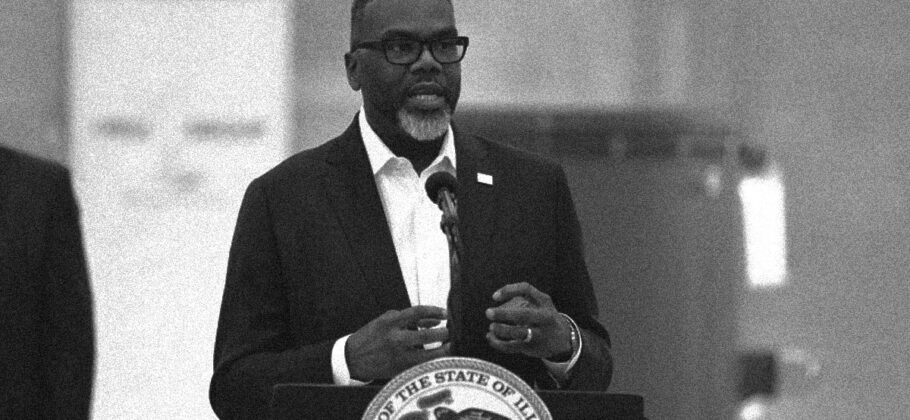
Mayor Brandon Johnson has acknowledged the seriousness of the situation, stating that the city is “at a crossroads” and must “do more with less.”
At the same time, he has defended his administration’s priorities and criticized external pressures, including potential federal funding threats.
Critics, however, argue that the city’s leadership has not taken sufficient steps to address the structural problems driving the crisis.
A Critical Moment for Chicago
Chicago’s financial challenges did not emerge overnight, and they will not be solved quickly. Years of borrowing, rising pension obligations, and policy decisions that prioritize short-term relief over long-term stability have brought the city to a critical point.
Without significant reforms, experts warn that the consequences will only grow more severe. Whether through structural changes, political will, or even bankruptcy, Chicago faces a defining moment that will determine its financial future for decades to come.
FAM Editor: Chicago has been a corrupt place for a long time, elections rigged, payoffs all over the place, and much more. Don’t look for this to get better anytime soon.