
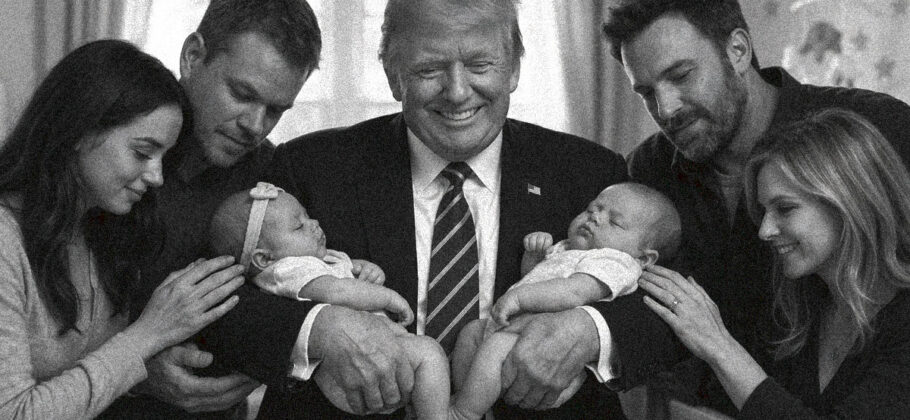
More than 4 million American children have already been enrolled in Trump Accounts, marking one of the fastest early adoption rates for a federal financial initiative in recent history. According to IRS data, parents across the country have signed up 4,031,827 children while filing their 2025 tax returns, signaling strong enthusiasm for a program designed to reshape how families build wealth for the next generation .
The surge in participation reflects what administration officials describe as a major shift toward an “ownership economy,” where American families are given the tools to build long-term financial security starting at birth.
What Are Trump Accounts and Where Did They Come From
Trump Accounts were created under the One Big Beautiful Bill Act, a sweeping piece of legislation signed into law on July 4. The program establishes tax-advantaged investment accounts for children under the age of 18, giving families a structured way to grow wealth over time.
At the core of the program is a simple but powerful idea. Every eligible child receives a financial foundation that can grow through long-term investing. Treasury Secretary Scott Bessent described the initiative as a “singular moment in economic history,” emphasizing its potential to transform how Americans think about wealth-building.
The accounts are automatically invested in low-cost index funds, allowing compound growth to work over time. Even the initial government contribution alone is expected to grow significantly, reinforcing the program’s long-term vision.
A Powerful Start: $1,000 for a New Generation
One of the most compelling features of Trump Accounts is the federal government’s $1,000 seed investment for children born between January 1, 2025, and December 31, 2028. So far, nearly 1 million newborns have already qualified for this contribution through early filings .
President Donald Trump highlighted the long-term potential of these accounts, saying, “These young people’s accounts could grow to over $100,000 or more by the time they turn 18.” The government has also projected that, over a full lifetime, that initial investment could grow into far larger sums through compound returns.
Older children are also eligible to participate, even if they do not receive the initial seed funding, ensuring that millions of families can still benefit from the program.
How Families Are Enrolling Their Children
Enrollment has been streamlined to encourage widespread participation. Parents can claim Trump Accounts by filing IRS Form 4547 with their federal tax returns or by using an official government portal, Trump Accounts – Jumpstarting the American Dream
The early numbers show that families are taking advantage of the opportunity at scale. IRS data confirms that millions of forms have already been processed, reflecting what officials describe as a nationwide embrace of the program.
Families who enroll will receive follow-up instructions to fully activate their accounts ahead of the program’s official launch, which is scheduled for early July.
What the Accounts Can Be Used For
Trump Accounts are designed to support major life milestones. The funds cannot be accessed until the child turns 18, at which point the account holder gains control.
Once available, the money can be used for key investments in the future, including education, purchasing a first home, or starting a business. The accounts are structured to operate similarly to traditional retirement accounts, preserving tax advantages while encouraging responsible use.
This approach reinforces the broader goal of helping young Americans become financially independent and engaged participants in the economy.
Building Wealth Through Contributions and Growth
While the initial government contribution provides a starting point, families and supporters can significantly expand each account over time. Beginning July 4, contributions of up to $5,000 per year per child will be allowed.
Parents, friends, employers, and even philanthropists can contribute, creating a broad base of support around each child’s financial future. Employers can contribute up to $2,500 annually, and major companies have already pledged matching contributions for employees’ children.
Philanthropic support has also been substantial. Billions of dollars in commitments have been made to expand access and boost account balances, especially for families in lower-income areas.
The structure is designed to reward consistency and long-term thinking. Even modest annual contributions can grow into substantial sums over time, reinforcing the idea that early investment leads to meaningful financial outcomes.
Supporters argue that Trump Accounts represent more than just a savings tool. They see it as a fundamental shift in economic policy, one that prioritizes ownership, investment, and long-term growth over short-term assistance.
The idea is straightforward but transformative. By giving every child a financial stake from an early age, the program aims to create a generation that is more financially literate, more invested in the economy, and better prepared for the future.
As enrollment continues to climb past 4 million children and growing, Trump Accounts are quickly becoming a cornerstone of a broader vision.