The United States has taken a significant step in reshaping the global supply chain for critical minerals, striking new agreements with Brazil that could weaken China’s long-standing dominance over rare earth elements. These deals, centered in the Brazilian states of Goiás and Minas Gerais, represent a calculated move to secure access to essential materials used in everything from electric vehicles to advanced defense systems.
At the heart of this effort is a growing recognition in Washington that reliance on China for rare earth minerals poses a serious strategic risk. China currently controls about 60 percent of global rare earth mining and more than 90 percent of processing capacity. The new U.S.-Brazil cooperation aims to change that balance.
The Art of the Deal
The agreements were signed at the state level rather than through Brazil’s federal government, reflecting both urgency and political complexity. Goiás, a state rich in rare earth deposits, signed a preliminary agreement with the United States to collaborate on developing its reserves. Minas Gerais, known for lithium and other critical minerals, is preparing a similar agreement.
These deals are not yet legally binding and do not grant direct mining rights. Instead, they focus on cooperation in research, technical development, and improving the regulatory environment. Goiás Governor Ronaldo Caiado described the partnership as a way to “better map and develop our mineral potential” and to move beyond simply exporting raw materials.
State-level agreements also allow for faster environmental licensing and potential tax incentives for U.S. companies, creating a more attractive investment environment without bypassing Brazil’s federal authority over mineral rights.
Companies and Financial Backing
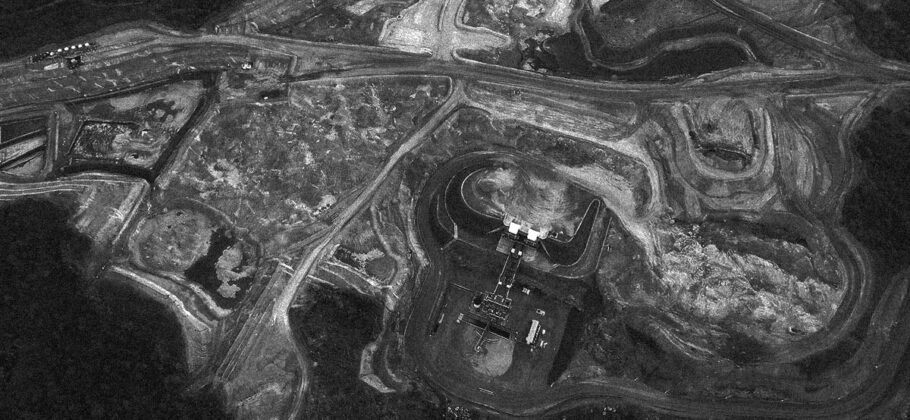
American financial institutions are already backing key projects in Brazil. The U.S. International Development Finance Corporation has committed $565 million to the Serra Verde rare earth project in Goiás, the only commercial rare earth operation currently active in Brazil. It has also supported the Aclara project with additional funding.
Beyond government financing, major global players such as Citi and Anglo American have participated in U.S.-backed forums designed to connect American investors with Brazilian mining firms. The United States has already invested roughly $600 million in Brazil’s critical minerals sector, signaling strong long-term commitment.
Which Minerals Are Involved
The agreements focus on a range of critical minerals that are essential for modern industry and national security. These include rare earth elements, lithium, nickel, graphite, and niobium.
Brazil is uniquely positioned in this space. It holds the world’s second-largest reserves of rare earth elements, along with 26 percent of global graphite reserves, over 90 percent of niobium reserves, and significant shares of nickel and lithium. Despite this abundance, Brazil has historically underdeveloped its processing capacity, exporting raw materials while other countries capture the higher-value refining and manufacturing stages.
Negotiating these agreements has not been easy. Brazil’s federal government, led by President Luiz Inácio Lula da Silva, has resisted signing broad deals that do not guarantee domestic processing and industrial development. Lula has made it clear that Brazil does not want to remain just a supplier of raw materials but intends to participate in the full value chain.
Diplomatic tensions have further complicated negotiations. Disputes between Washington and Brasília, including political disagreements and a misstep involving a draft agreement that initially contained errors, slowed progress. At one point, Brazilian officials viewed U.S. actions as an attempt to bypass federal authority by working directly with state governments.
Additionally, Brazil faces structural challenges. Mining projects often encounter financing hurdles, regulatory delays, and limited geological mapping. The Serra Verde project, for example, took 15 years to reach production.
How This Counters China’s Control
The strategic importance of these agreements becomes clear when viewed against China’s dominance in rare earth supply chains. Beijing’s control over processing has given it significant leverage, especially after imposing export restrictions in response to U.S. tariffs.
By investing in Brazil’s mining and encouraging the development of local processing capabilities, the United States is attempting to build an alternative supply chain. Officials have identified more than 50 mining projects in Brazil that could contribute to this effort, potentially attracting billions of dollars in investment.
The goal is not just to mine rare earths but to ensure that refining and manufacturing also occur outside of China’s sphere of influence. This would reduce vulnerability to supply disruptions and strengthen U.S. economic and national security.
Competition with Europe
The United States is not alone in pursuing Brazil’s mineral wealth. The European Union has also been actively courting Brazil, with leaders proposing joint investment projects in lithium, nickel, and rare earth elements. European officials have framed access to these minerals as critical for achieving “strategic autonomy.”
This competition has given Brazil leverage. By engaging with both Washington and Brussels, the country can negotiate terms that support its own industrial ambitions. For Brazil, the goal is clear: attract foreign investment while building domestic capacity in processing and manufacturing.
The emerging U.S.-Brazil partnership marks a potential turning point in the global race for critical minerals. While the agreements are still in early stages and face political and logistical challenges, they represent a deliberate effort to break China’s near-monopoly on rare earth processing.
If successful, this collaboration could reshape global supply chains, strengthen Western industrial capacity, and position Brazil as a central player in the next generation of energy and technology systems.