
For months, warnings of soaring oil prices and a prolonged energy crisis dominated headlines as conflict in the Middle East disrupted one of the world’s most important energy corridors. When oil prices surged following the outbreak of war involving Iran on February 28, many analysts and commentators predicted much worse was coming. Some even floated scenarios involving $200 oil. But as President Donald Trump’s diplomatic push toward an agreement with Iran appears to be gaining traction, oil prices are moving sharply in the opposite direction.
On June 16, Brent crude oil fell below $80 per barrel for the first time since early March, reaching as low as $79.61 before recovering slightly. U.S. West Texas Intermediate crude also dropped sharply, touching $76.88 per barrel. The decline marked a dramatic reversal from the fears that dominated energy markets just weeks ago.
The drop came after Trump announced that a memorandum of understanding had been signed to end the conflict and begin reopening the Strait of Hormuz, the narrow waterway through which roughly one-fifth of the world’s oil supply normally passes. Markets immediately reacted by pricing in the possibility that energy exports from the Persian Gulf could soon return to normal.
The Oil Shock That Triggered Global Anxiety
When the war began in late February, oil markets reacted exactly as expected. The conflict disrupted shipping through the Strait of Hormuz and sharply reduced Middle Eastern oil exports. Brent and WTI crude, which had been trading between roughly $65 and $70 per barrel before the war, climbed significantly as traders worried about supply shortages.
The closure of the strait created concerns far beyond the Middle East. Bundesbank President Joachim Nagel described the disruption as a major blow to a critical artery of global energy trade. He warned that higher energy costs were contributing to inflation across Europe and that supply chains could take time to recover even after shipping resumed.
As prices rose, so did predictions of an extended energy crisis. The possibility of prolonged disruptions led many observers to assume oil would continue climbing indefinitely.
Instead, markets are now moving in the opposite direction.
Trump’s Prediction Begins to Play Out
Throughout the negotiations, Trump repeatedly signaled confidence that oil flows would eventually resume.
Following the announcement of the framework agreement, Trump declared, “The Deal with the Islamic Republic of Iran is now complete.” He further announced the “toll-free opening of the Strait of Hormuz” and called on “ships of the world” to start moving again, adding a simple message to energy markets: “Let the oil flow!”
Trump later stated that ships had already begun moving through the region and predicted that the strait would soon be fully reopened. According to reports, negotiations are scheduled to continue in Switzerland on June 19 as both sides work toward a final agreement. Iranian Foreign Minister Abbas Araghchi confirmed that talks between the United States and Iran would continue.
Whether every detail of the agreement is finalized remains to be seen. But markets clearly believe the risk of a prolonged supply disruption has declined substantially.
That confidence has translated directly into lower oil prices.
Markets Reject the Worst-Case Scenarios
The speed of the decline has been striking.
Oil prices fell nearly 5 percent immediately after Trump’s announcement regarding the memorandum of understanding. Another wave of selling followed as traders focused on the potential reopening of the Strait of Hormuz and the return of Gulf energy exports.
Analysts who had previously expected higher prices are now revising forecasts downward. Goldman Sachs reduced its fourth-quarter Brent crude forecast from $90 per barrel to $80 and lowered its longer-term outlook as well. The bank now expects Gulf energy exports to return to prewar levels sooner than previously anticipated.
Robin Brooks of the Brookings Institution argued that the market’s resilience has surprised many observers. Referring to earlier predictions of extreme price spikes, Brooks wrote, “The bottom line is that global oil markets are a lot more resilient than $200 forecasts implicitly assumed.”
That assessment reflects what investors are now seeing in real time. Despite months of disruption, global oil markets appear capable of adjusting more quickly than many expected.
The Strait of Hormuz Remains the Key
The biggest question now is not whether a peace framework exists, but how quickly normal shipping can resume.
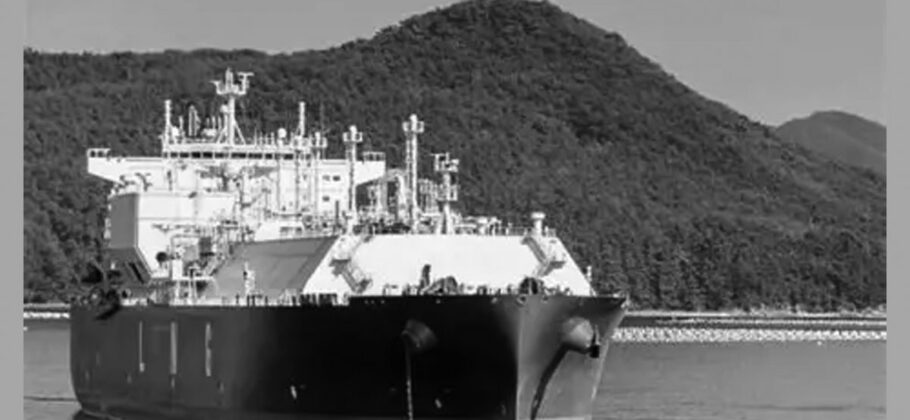
The Strait of Hormuz handles approximately 20 percent of global oil supplies and serves as one of the most important transportation routes for both crude oil and liquefied natural gas. Even with a peace agreement in place, shipping companies remain cautious. Some reports indicate that mine clearing and safety verification may take additional time before tanker traffic fully normalizes.
Analysts at S&P Global Commodity Insights have cautioned that Middle Eastern production and exports may not immediately return to prewar levels. OPEC data showed that combined production from Saudi Arabia, the United Arab Emirates, Iraq, Kuwait, and Iran fell from 23.5 million barrels per day in February to 13.4 million barrels per day in May. Recovering that lost production will likely take time.
Still, markets appear far more focused on the direction of events than on the exact timing. The trend is toward greater supply, not less.
Only a few months ago, headlines centered on fears of an escalating war, blocked shipping lanes, and skyrocketing energy costs. Today, the discussion has shifted toward how quickly oil can move through the Strait of Hormuz and how rapidly prices may continue falling.
Crude remains above the levels seen before the conflict began, when prices were generally below $70 per barrel. But the dramatic decline below $80 demonstrates how quickly market sentiment can change when geopolitical risks begin to ease.
The lesson may be a familiar one for investors and consumers alike. During periods of crisis, markets often price in worst-case scenarios. As diplomatic solutions emerge and supply chains recover, those fears can fade just as quickly.
For now, the oil panic that dominated much of the spring appears to be giving way to something else: cautious optimism that the world’s most important energy corridor is on its way back to business.